
7 Signs You May Need Anxiety Therapy in San Diego

Anxiety is a normal response to stress. You may feel worried before a major presentation, a medical appointment, or a difficult conversation. Those feelings usually ease once the situation passes.
Sometimes, anxiety begins to affect more of your daily life. You may notice that your thoughts rarely slow down, your body stays tense, or everyday responsibilities feel harder to manage. Even if you’re keeping up with work, relationships, and other commitments, anxiety can still affect your daily well-being.
If you’ve been wondering whether anxiety therapy in San Diego may be the right next step, the signs below can help you reflect on what you’re experiencing. They are not meant to diagnose an anxiety disorder. Instead, they can help you decide whether it may be worth talking with a licensed mental health professional about anxiety treatment.
Your Worry Doesn’t Turn Off, Even When Things Are Fine
Everyone worries from time to time. But anxiety may feel like your mind rarely gets a chance to rest.
You might resolve one concern only to have another take its place. Even during quiet moments, your mind keeps scanning for problems or imagining what could go wrong. Relaxing may feel difficult because your thoughts rarely slow down.
Your thoughts may sound like:
- “What if something goes wrong?”
- “Did I make a mistake?”
- “What if I forgot something important?”
If worry feels persistent rather than occasional, it may be worth talking with a licensed mental health professional. Anxiety therapy can help you understand the thought patterns contributing to anxiety and develop practical strategies for managing them.
Anxiety Is Affecting Your Sleep
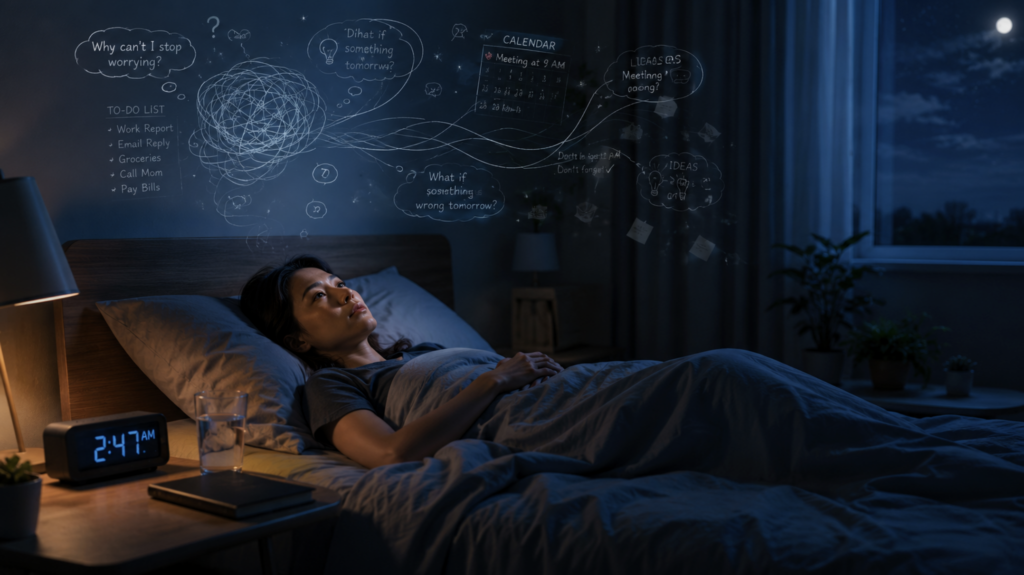
Many people notice anxiety most clearly at night.
You finally get into bed, but your mind becomes more active instead of settling down. You may replay conversations, think about tomorrow’s responsibilities, or worry about situations that haven’t happened. Instead of feeling ready to rest, you stay mentally alert.
You may notice:
- Difficulty falling asleep
- Waking up during the night with racing thoughts
- Feeling exhausted even after spending enough time in bed
- Restless or poor-quality sleep
Poor sleep can make anxiety feel harder to manage the next day. Anxiety can also make it more difficult to get restful sleep. If this pattern continues, it may be worth talking with a licensed mental health professional about anxiety treatment.
You’re Avoiding Things You Used to Enjoy
Avoidance is a common response to anxiety. It means staying away from situations, places, or activities because they make you feel worried or uncomfortable.
At first, avoiding those situations may bring temporary relief. Over time, though, you may begin turning down social invitations, changing your routine, or giving up activities you once enjoyed because they make you feel anxious.
You might start avoiding:
- Social gatherings
- Driving on certain roads
- Public speaking
- Shopping in crowded places
- Trying new experiences
- Activities you once enjoyed
Avoidance may reduce anxiety in the moment, but it can also make it harder to regain confidence in those situations over time. If you notice this pattern affecting your daily life, it may be worth talking with a licensed mental health professional. Anxiety therapy in San Diego can help you understand these patterns and develop practical ways to respond to anxiety.
Physical Symptoms Show Up Regularly (Racing Heart, Tension, Stomach Issues)

Anxiety affects both your mind and your body. Many people are surprised by how physical anxiety can feel.
Common symptoms include:
- A racing heart
- Muscle tension
- Tight shoulders or jaw
- Stomach discomfort
- Upset digestion
- Restlessness
- Feeling unable to relax
Physical symptoms can be frustrating because they may appear even when there is no obvious source of stress. If they happen regularly, it may be worth talking with a licensed mental health professional about anxiety therapy. Your healthcare provider can also help determine whether a medical condition may be contributing to your symptoms.
It’s Affecting Work, Relationships, or Daily Tasks
You don’t have to be in crisis for anxiety to deserve attention. Sometimes the clearest sign is that everyday life feels harder than it used to.
You may notice:
- Difficulty concentrating at work
- Taking longer to complete simple tasks
- Feeling irritable with people you care about
- Constantly second-guessing decisions
- Trouble staying present during conversations
- Feeling mentally drained by everyday responsibilities
Many people continue meeting their responsibilities while privately struggling with anxiety. From the outside, everything may appear fine. Inside, it can feel exhausting.
If anxiety is consistently affecting your work, relationships, or daily life, it may be worth talking with a licensed mental health professional. Anxiety therapy can help you better understand the patterns connected to your anxiety and practice skills that support your work, relationships, and daily life.
You’ve Tried to Manage It Alone and It’s Not Improving
It’s common to try managing anxiety on your own first.
You may have tried:
- Deep breathing
- Meditation
- Exercise
- Reading self-help books
- Taking breaks
- Talking with friends
- Reducing stress where possible
These strategies can be helpful for many people. Sometimes, though, they aren’t enough on their own. If you’ve been making consistent efforts but still feel stuck, anxiety therapy can help you better understand the patterns connected to your anxiety and practice skills for responding to it.
Seeking support isn’t a sign that you’ve failed. It can simply be the next step when self-help strategies are no longer enough.
You Feel Anxious Most Days, Not Just Occasionally
Stress comes and goes. Anxiety that shows up most days is different.
Perhaps you wake up already feeling tense. You spend much of the day anticipating problems. Even enjoyable moments are interrupted by worry or a sense that something bad might happen.
When anxiety becomes part of your everyday life rather than an occasional reaction to stress, it may be worth exploring whether anxiety therapy can help you better understand the patterns connected to your anxiety.
You don’t have to wait until anxiety feels overwhelming before reaching out.
What Anxiety Therapy in San Diego Can Look Like
Beginning therapy doesn’t mean you’ll be expected to talk about everything that’s ever happened to you. Your first sessions typically focus on understanding your current concerns, learning what situations trigger your anxiety, and discussing your goals for treatment.
At the Center for Mental Wellness, anxiety therapy is tailored to your needs using evidence-based approaches, including:
- Cognitive Behavioral Therapy (CBT): A structured approach that helps you identify and change thought and behavior patterns that can fuel anxiety.
- Exposure and Response Prevention (ERP): An exposure-based approach that helps you gradually approach situations, sensations, or thoughts that trigger anxiety while practicing a different response to avoidance.
- Dialectical Behavior Therapy (DBT): A structured therapy that teaches practical skills for managing emotions, tolerating distress, and responding more effectively to challenging situations.
The goal isn’t to eliminate every anxious feeling. Anxiety is a normal human emotion. Anxiety therapy can help you better understand the patterns connected to your anxiety and practice skills that support your daily life.
Learn more about our anxiety therapy services →
FAQ
How do I know if my anxiety is serious enough for therapy?
You don’t have to wait until anxiety feels overwhelming. If worry feels persistent or begins affecting your work, relationships, or daily life, it may be worth talking with a licensed mental health professional. The same is true if you’ve tried managing your anxiety on your own without improvement.
What does anxiety therapy actually involve?
Anxiety therapy starts with understanding your current concerns and treatment goals. Your therapist will also identify patterns connected to your anxiety and discuss an approach that fits your needs.
At the Center for Mental Wellness, treatment may include Cognitive Behavioral Therapy (CBT), a structured approach that helps identify and change thought and behavior patterns that can fuel anxiety. Depending on your needs, treatment may also include Exposure and Response Prevention (ERP) or Dialectical Behavior Therapy (DBT).
How long does anxiety therapy typically take?
The length of anxiety therapy varies from person to person. It depends on your goals, symptoms, and treatment plan. During your early sessions, you and your therapist can discuss the approach that best fits your needs. There is no fixed number of sessions that is right for everyone.
Is anxiety therapy covered by insurance in San Diego?
The Center for Mental Wellness is an out-of-pocket practice. If you have questions about fees, appointments, or payment options, contacting the practice directly is the best way to learn more.
What’s the difference between normal stress and an anxiety disorder?
Stress is usually connected to a specific situation. It often improves after that situation passes. Anxiety can continue even when there is no immediate problem to solve. It may affect your thoughts, physical sensations, relationships, or daily life. If you’re unsure what you’re experiencing, a licensed mental health professional can provide an appropriate evaluation.
Schedule a Consultation with the Center for Mental Wellness
If these signs sound familiar, you don’t have to manage them alone.
The Center for Mental Wellness provides evidence-based anxiety therapy for adults. Therapy can help you better understand patterns connected to your anxiety and develop practical skills that support your daily life.
Learn more about Anxiety Therapy →
If you’re ready to take the next step,schedule a consultation.
More to Read
- How to Use Mindfulness to Help Alleviate Anxiety
- OCD in Children: How to Understand and Identify It
- Le rôle des applications dédiées chez Tortuga Casino
- Can Therapy Change Your Personality?
- Quels atouts font de Lucky8 Casino un incontournable du iGaming
- Tron Casino: Ein Casino mit Perspektive und Zukunft
- Pourquoi de plus en plus de joueurs plébiscitent Savaspin Casino en France
- Dealing with Panic Attacks? – Here’s How to Tell and What Will Help
- Help, They Seem Sad & Anxious but My Child Won’t Talk!
- Individual vs. Group Therapy – Making Sense of the Pros and Cons