

Depression Treatment in San Diego & Encinitas, CA
Call 858-461-9409 for a free phone consultation, or visit our contact page.
Does Your Sadness Weigh You Down Everyday?
Everyone experiences sadness, especially after a loss or an unwanted life change. But you may have noticed that you feel sad more often than not, and that you feel pessimistic or even hopeless about the future. Perhaps few things are enjoyable, few things can make you smile, and you have a continuous stream of negative thoughts and feelings about yourself. Many everyday things may feel like a struggle and few people may understand how you’re feeling.
You may be experiencing clinical depression, a medical illness that affects how you think, feel, and act. It is not the same thing as feeling sad for a brief period, as most people do, then feeling better. Depression can affect your appetite, sleep, and energy. The National Institute of Mental Health estimates that 21 million U.S. adults, or 8.3% of U.S. adults, experienced at least one major depressive episode in 2021.
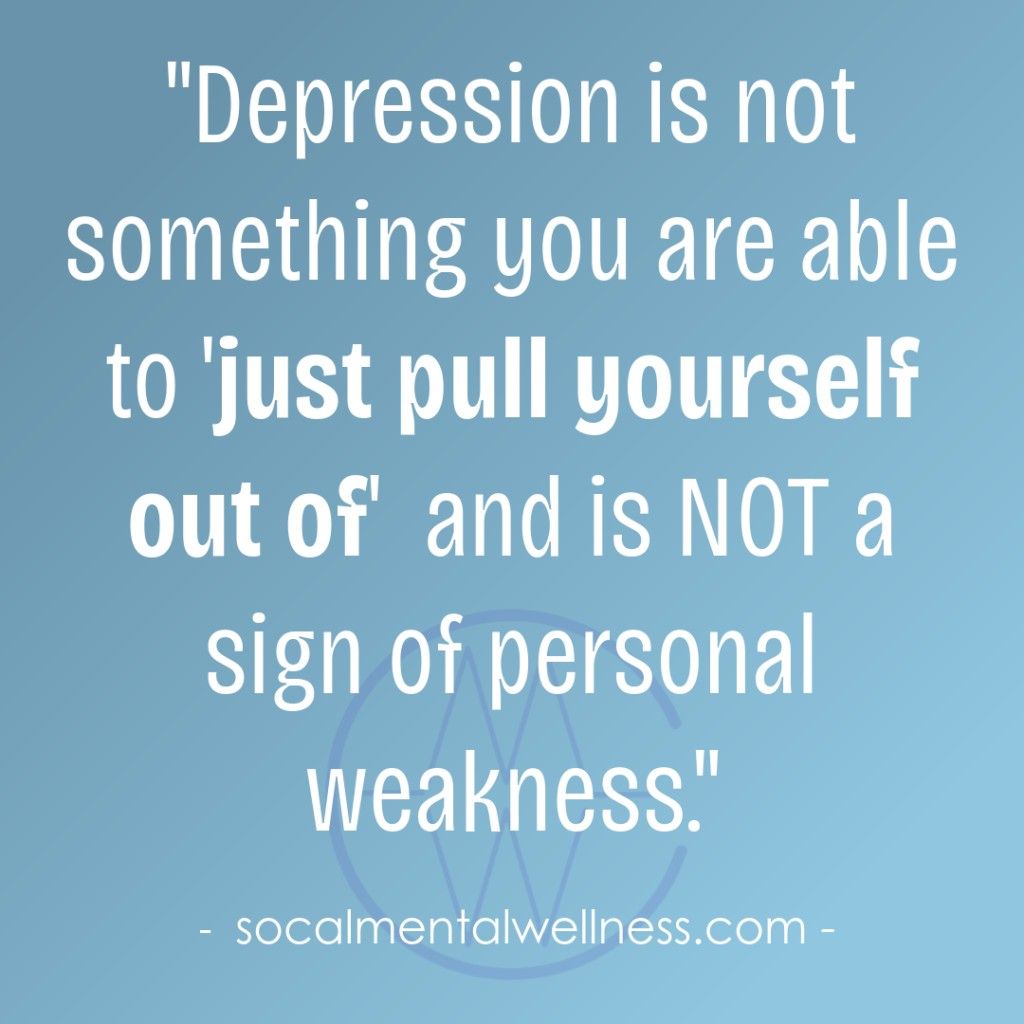
Depression is not something you may be able to “just pull yourself out of,” and it is not a sign of personal weakness. Effective treatments are available for depression. Cognitive Behavioral Therapy (CBT) is a type of therapy with strong research support. A 2023 meta-analysis found that CBT was comparable to medication in the short term and showed greater effects at longer-term follow-up, although that longer-term difference was not consistent across all analyses. CBT can help you identify patterns of thinking and behavior that contribute to depression and develop different ways of responding to them.
At the Center for Mental Wellness in San Diego, we provide CBT with patience and empathy. We also use evidence-based strategies, including mindfulness and Dialectical Behavior Therapy (DBT) techniques, to help you manage difficult emotions and patterns that may contribute to depression. If you are looking for depression treatment in San Diego, you can contact us for a free phone consultation to discuss your concerns and available services.
What Depression Can Look Like
Depression does not always look like sadness. You may feel emotionally flat, numb, or disconnected from things you usually enjoy. You may also pull away from people you normally want to see or find everyday tasks harder to manage. Changes in sleep and appetite can occur as well. Some people sleep more than usual, while others have trouble sleeping. Appetite can also increase or decrease.
You may also notice changes in your concentration. Work may take more effort, conversations may be harder to follow, or everyday decisions may feel more difficult than they used to. These changes can affect your work, relationships, and other parts of daily life. About 19% of U.S. adults have received a diagnosis of a depressive disorder at some point in their lives, according to the Centers for Disease Control and Prevention (CDC).
Depression can feel different from a temporary low period. Everyone feels sad or discouraged at times, but depression can involve more persistent changes in mood, interest, energy, concentration, sleep, or appetite that interfere with daily life. You do not need to determine on your own whether what you are experiencing is depression. A mental health professional can discuss your concerns with you and help determine whether treatment may be appropriate.
Types of Depression We Treat
Depression can take different forms, and treatment should reflect what you are experiencing. At the Center for Mental Wellness, Dr. Eunice Kim, PhD, provides depression treatment in San Diego for adults experiencing the following conditions:
- Major Depressive Disorder (MDD) can affect your mood, interest in activities, energy, concentration, and daily functioning. Treatment may include Cognitive Behavioral Therapy (CBT), a structured approach that helps you examine thought patterns and behaviors connected to depression.
- Depression associated with bipolar disorder can occur as part of bipolar disorder. Therapy can help you understand the thoughts, emotions, and behavioral patterns connected to depressive periods and address the concerns you bring to treatment.
- Persistent Depressive Disorder (dysthymia) involves a long-lasting depressed mood. CBT can help you examine thought patterns and behaviors that may have become established over time.
If you are looking for depression therapy in San Diego, you can schedule a free phone consultation to discuss your concerns and available services. Dr. Kim refers to more intensive services when depression is severe enough to require more than outpatient therapy can provide.
What to Expect in Depression Treatment
Your first session is a conversation about what you are experiencing. You can talk about how depression has affected your daily life, how long you have been dealing with these concerns, and what you have already tried. Your therapist can use this information to understand your concerns and determine an appropriate treatment approach.
Cognitive Behavioral Therapy (CBT) is one approach used in depression treatment. CBT is a structured form of therapy that helps you notice thought patterns and behaviors connected to depression. You can then examine how these patterns affect your emotions and daily life. CBT is not about forcing yourself to think positively. It gives you a practical way to respond differently to difficult thoughts.
In 2021, 61% of U.S. adults who experienced a major depressive episode received treatment during the previous year, according to the National Institute of Mental Health (NIMH). Among adults whose major depressive episode involved severe impairment, about 75% received treatment during the same period.
The Center for Mental Wellness also uses mindfulness and Dialectical Behavior Therapy (DBT) techniques when appropriate. Mindfulness can help you notice thoughts and emotions without immediately reacting to them. DBT techniques can give you practical skills for managing difficult emotions and responding to distress. Your therapist can determine which approaches fit your concerns and treatment needs.
Session frequency can vary based on your needs and treatment plan. Your therapist can discuss the recommended cadence with you rather than applying a fixed schedule. Progress can also look different from person to person. You may work on changes in thought patterns, emotional responses, or behaviors as treatment continues. Your therapist can review your progress with you and adjust the approach when needed.
Meet Your Therapist
Dr. Eunice Kim, PhD, is the founder of the Center for Mental Wellness and a California-licensed psychologist. Her license type is Psychology, and her license number is PSY21462. She has 17 years extensive clinical and research experience treating children and adults, including mood and anxiety disorders.
Dr. Kim has held leadership roles in the Department of Psychiatry at UCLA and trained clinicians through the UCLA Child and Adolescent Mood Disorders Program. She completed her PhD at the University of Colorado, Boulder, her internship at the UCLA Semel Institute for Neuroscience and Human Behavior, and a postdoctoral fellowship in the UCLA Department of Psychology. She has also published in international psychology journals and presented at national conferences.
Medically reviewed by Dr. Eunice Kim, PhD | Last updated: August 20, 2026
Frequently Asked Questions
Is counseling effective for depression?
Yes. Cognitive Behavioral Therapy (CBT) is an evidence-based approach used to treat depression. It helps you identify thought patterns and behaviors connected to depressive symptoms and develop different ways of responding to them. Research supports CBT as an effective treatment for depression.
What type of therapy is best for depression?
There is no single therapy that is best for everyone. At the Center for Mental Wellness, treatment may include CBT, mindfulness, and Dialectical Behavior Therapy (DBT) techniques, depending on your concerns and treatment needs. Our therapy approaches will always be evidence-based. Your therapist can discuss which approaches may be appropriate for you.
How do I know if I need depression treatment?
If changes in your mood, interest, energy, concentration, sleep, or appetite are causing ongoing distress or affecting daily life, it may be worth talking with a therapist. You do not need to diagnose yourself before reaching out. A free phone consultation can give you a place to discuss what you are experiencing and whether depression treatment may be appropriate.
Do you take insurance?
The Center for Mental Wellness does not accept insurance or bill insurance companies directly. We do provide superbills that you can submit to your insurance company if you have out-of-network benefits. Reimbursement depends on your individual insurance plan.
Do you offer in-person sessions in San Diego?
The Center for Mental Wellness serves San Diego. How long does depression treatment take?
There is no fixed timeline for depression therapy. Your treatment plan depends on your concerns, goals, and how you respond to therapy. Your therapist can discuss your progress with you and adjust the approach as treatment continues.
Our San Diego and Encinitas Locations
The Center for Mental Wellness offers in-person therapy in San Diego , California. Virtual sessions are also available for clients elsewhere in California.